
Select a College
Types of Colleges
There are several different types of colleges in the U.S.—two-year public schools, four-year public schools, private nonprofit and for-profit schools, trade/technical schools, and various certificate programs. Each type of school and program offers a different experience. Choosing the best fit for you will set you on the right path to successfully completing a degree or credential program and finding a good job after graduation.
Getting Started
Selecting a college can feel overwhelming, but many resources are available to help.
Begin by exploring different careers to help you identify your fields of interest and potential majors that align with those careers. O*NET Online is sponsored by the U.S. Department of Labor and can help you to explore career opportunities, identify the skills needed, learn about salary ranges, and understand the educational requirements.
Search for colleges with strong programs in the fields of study that interest you. Two excellent resources are Big Future by the College Board and the College Scorecard by the U.S. Department of Education.
Big Future: Helps you find expert advice on colleges and careers – a useful resource to start your college and career planning.
College Scorecard: Allows you to compare colleges based on costs, student debt, graduation rates, admissions test scores and acceptance rates, post-college earnings, and more.
Apply for College
Once you have identified the colleges or institutions that you are interested in, it is time to apply and select the best school for your program of study, personality and interests, and finances.
- Complete college applications. One helpful tool is the Common App, which is the admission form used by many colleges to make the college application process easier and more efficient. It allows you to apply to multiple institutions with a single application.
- Visit campuses in person or virtually and speak with staff, faculty, and current students to learn more about the school and its culture.
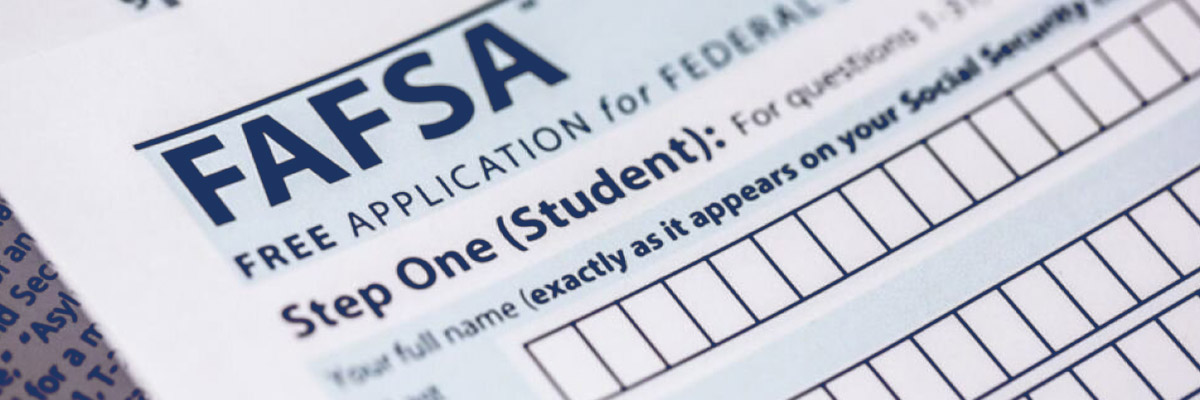
- Apply for financial aid by completing the Free Application for Federal Student Aid (FAFSA) and any required state or institutional aid applications as early as possible.
- Compare your financial aid offers carefully considering grants, scholarships, and federal work-study to determine how much you may have to borrow to attend the school. A helpful free tool is AwardAdvisor™ that will assist you to understand and compare financial aid offers to help you make informed decisions.
Need Help?
EFC members across the country are ready to help you with the college process. Get free, expert help with filing your FAFSA, college planning, understanding your financial aid offer, repaying your student loans, and more! Learn more.
Additional Resources
Federal Student Aid - Budgeting: Helps you develop a budget to help you manage your finances while you are in school and when you leave school.
Federal Student Aid - Understanding College Costs: Helps you to understand college costs, compare schools, and explore options for how to lower your costs.

Plan for College
Pay for College
